

Patio Gas Versus Butane and Propane
Patio heaters let you enjoy your outdoor space for longer by warming it up. They are highly efficient and provide adjustable heat.
Gas is available in 'patio' bottles that are compatible with BBQs. They use an adjustable regulator clip-on, whereas butane cylinders are fitted with screw-in connectors.
What is Patio Gas?
Patio gas is propane or butane that comes in the form of a small "patio" bottle designed with barbeques and patio heaters in the back of your mind. These bottles are connected to the appliance using an specialized regulator. (More on this later). The cylinders are green unlike the propane cylinders in red or blue that are found in the barbecue area. Patio gas bottles also have an indicator for gas so that you can tell when your bottle is at a low point.
Both butane and propane gas are flammable hydrocarbons which burn when they are burned. Butane is a gas with a lower boiling temperature than propane, and can be used at lower temperatures. Propane is a better choice for cooking and heating in outdoor areas because it burns at a high temperature.
All leisure appliances that run on the gasoline that is bottled come with a regulator which reduces the pressure at which gas releases from the cylinder. This valve prevents the cylinder from burst when you open it, and stops your appliances from working too quickly. Regulators are available in clip-on and screw-on designs and in various sizes to fit the various types of cylinders. Propane and Butane require a different pressure level to be dispensed, so they cannot be interchanged without modifying the regulator.
What is Butane?
Butane is the second-lightest hydrocarbon (after propane) and has four carbon atoms and 10 hydrogen atoms. It is known as chemically C4H10, and is commonly used in butane lighters as well as torches. Butane is a liquid oily at room temperature. It has no odor. In addition to being used as a fuel for butane heaters as well as patio gas appliances, it is frequently used as a solvent in the manufacturing of perfumes, cosmetics, and pharmaceuticals.
Butane and propane, both non-toxic and clean-burning, are safe sources of energy for businesses, homes and industries in Tennessee and southern Kentucky. They both burn cleaner than other fossil fuels, and emit considerably less greenhouse gases when they are burned. But, there are some differences between propane and butane that must be understood.
Propane and Butane differ in their boiling points, which is the temperature at which each gas vaporizes at a specific pressure. Propane is more suitable for outdoor use and cooler temperatures since its containers will not freeze. The lower boiling point of propane makes it more flammable than butane, and safer to store.
n-Butane is a volatile liquid that is odorless, colorless and tasteless. It does not cause harm to humans, however it could cause irritation to the mucous membranes and eyes. Inhalation of 10,000 ppm for 10 minutes causes sleepiness, but there are no negative effects to the system.
The International Maritime Dangerous Goods Code sets out the rules and guidelines for the transport of dangerous chemicals, such as butane. It is essential to adhere to these guidelines when shipping butane, since not doing so could result in fines, penalties, and/or confiscation of the leaking container.
However, while it isn't often seen, can lead to death due to arrhythmia or asphyxia. Butane can be used as propellant in homemade products. In two cases of deliberate butane inhalation autopsies showed changes in the heart and lungs caused by butane. These changes are attributed to the passage of butane through alveoli and pulmonary mucosa. These findings were confirmed by histological studies. Intentional abuse of butane is linked to a high morbidity rate in children.
What is Propane?
Propane is a form of hydrocarbon gas (C3H8) which is also called liquefied petroleum gas, or LPG. It is a safe and clean energy source that can be used to heat homes cook food, power appliances and even run vehicles. Propane comes from both the refining of natural gas and crude oil, in roughly equal quantities. It is safe and colorless, as well as incomparable to odor. To detect leaks, producers add ethylmercaptan, a smell-causing agent.
Propane can exist in gaseous form at room temperature, however when it is compressed, it turns into liquid. Propane is able to be transported safely and easily, and is stored in underground tanks under controlled conditions. It is distributed to homeowners, businesses and other customers through a network of barges, pipelines, railcars, and tanker trucks.
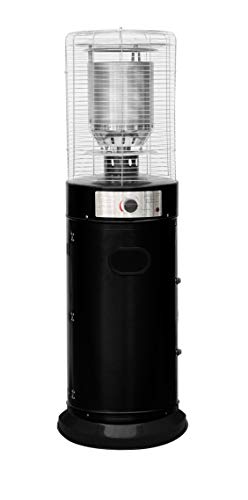
Propane is a great option for a variety of commercial and residential applications however, it's best for outdoor usage. It can be used to power outdoor amenities like grills, patio heaters and fire pits, and can also provide a backup energy source during power outages. And propane is environmentally friendly and produces less harmful emissions than other fossil fuel when burned.
The versatility of propane makes it a vital element of American life. How much do you know about how propane gets from its natural source to your home?
Propane is an by-product of the natural gas processing industry and crude oil refineries. It is stored both underground and above. Distributed to best gas patio heater processing facilities as well as to homes through a network comprised of truckers, pipelines, and railroad cars. Once it's liquefied, it can be stored in small, portable tanks for transportation and use. The vast majority of the propane used in America comes from domestic sources, making this fuel that is clean and affordable an excellent option for residential and commercial use. It is particularly useful in rural areas, where access to other fuels may be difficult. In fact, propane is so abundant that the United States is now a net exporter of this renewable energy source.
Which bottle do I need?
Both propane and butane are equally well with your BBQ or patio heater. The type of appliance that you use will determine the size and type of gas bottle. Propane is stored in green bottles specifically designed for outdoor appliances like patio heaters and BBQs They are compatible with a 27mm clip-on regulator. Butane is stored in blue bottles and is more commonly used for camping stoves and single burner cookers. They also have a regulator screw-on.
All gas cylinders for leisure are equipped with a gas regulator that decreases the pressure of the cylinder and controls the amount of gas that is dispensed. This ensures that the cylinder isn't emptied too quickly, and helps prevent damage to the appliance. Gas regulators vary based on whether you're using propane or butane cylinders. Propane and butane require to be released at different pressure levels, so they cannot be switched between appliances without modifying the regulator.
Most gas cylinders have an indicator which will notify you when you are close to running out of gas. It is also easy to check the level by pouring a glass of warm water over the top of the cylinder. This will alter the temperature and give you an estimate of the amount of gas left. You can also make use of a thermometer to get an accurate reading.
LPG cylinders are available in a range of sizes and shapes to suit various appliances. They range from 3.9kg to accommodate portable camping equipment up to 47kg to accommodate caravans. Most of them are made from metal and should be positioned in a straight position, away from entrances to buildings and fire escapes.
Review the instruction manual for your barbecue or patio heater to see if they recommend a particular brand or model. Some manufacturers may offer their own brand of cylinder which is designed with their particular appliance in mind, and can be used with other brands.